Projects
Each project started with a delivery bottleneck, a growth constraint, or a user experience gap. I led cross-functional execution to turn those constraints into measurable outcomes.
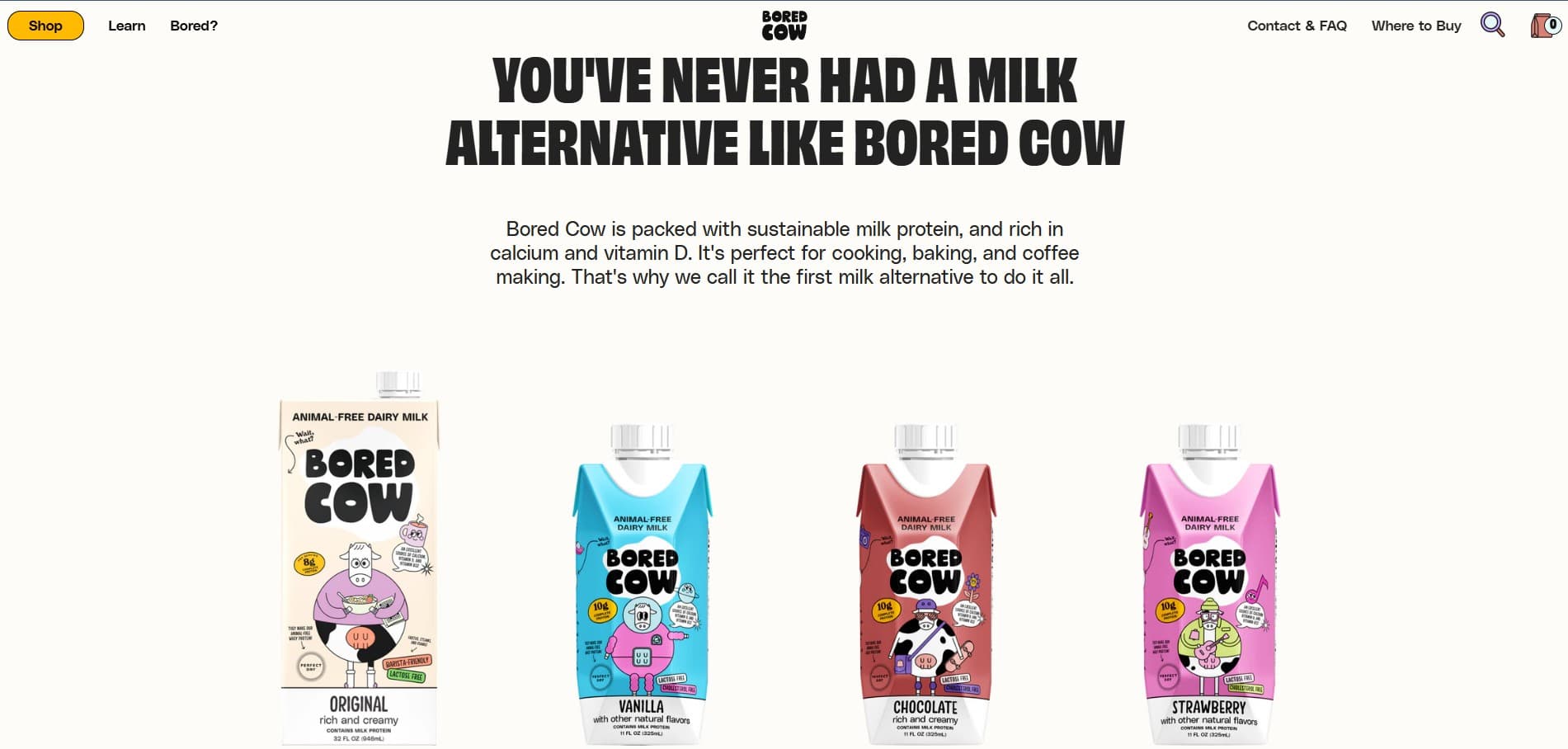
Bored Cow
↗Project Manager
Problem: The brand needed a responsive storefront that could support growth without creating delivery friction between teams.
Constraints: Multiple stakeholders across creative, development, and operations had competing priorities and dependencies.
Approach: I established a shared delivery cadence, aligned owners by milestone, and ran decision-focused cross-functional checkpoints.
Outcome: Launch execution became more predictable and handoff delays were reduced, improving time-to-release confidence across teams.

Zebpay
↗Project Manager
Problem: Mobile users were underperforming due to an inconsistent commerce experience across devices and browsers.
Constraints: Cross-browser behavior and responsive quality had to be fixed without slowing delivery velocity.
Approach: I coordinated design-dev QA loops, prioritized responsive fixes, and enforced browser-specific acceptance criteria.
Outcome: The mobile experience shipped consistent across the target device and browser matrix, closing a class of responsive defects that had been recurring release over release.
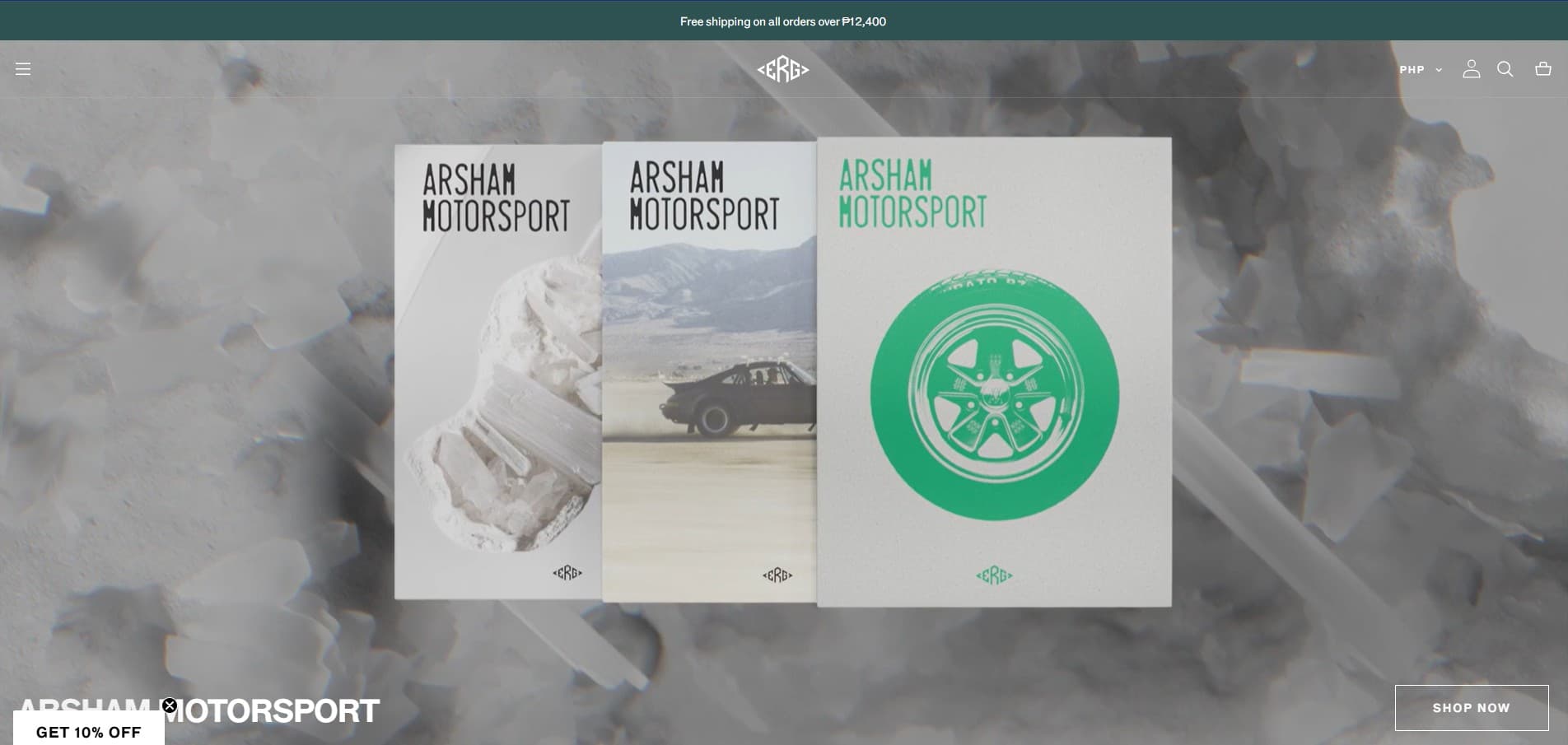
ERG
↗Project Manager
Problem: The team needed a scalable e-commerce platform delivered within a fixed launch window.
Constraints: Scope expansion risk and tight timeline pressure were affecting multiple workstreams.
Approach: I ran sprint-based planning with strict scope control, weekly risk review, and stakeholder signoff checkpoints.
Outcome: The platform was delivered on time and within budget, protecting launch readiness and preventing overrun costs.

Déhanche
↗Project Manager
Problem: The site experience needed a UX refresh to improve engagement while preserving premium brand identity.
Constraints: Brand consistency had to be maintained while modernizing interaction patterns.
Approach: I aligned design and engineering on reusable UI standards, review cycles, and implementation quality gates.
Outcome: The refresh shipped without diluting the brand, and the reusable UI standards it produced became the reference point for later work.
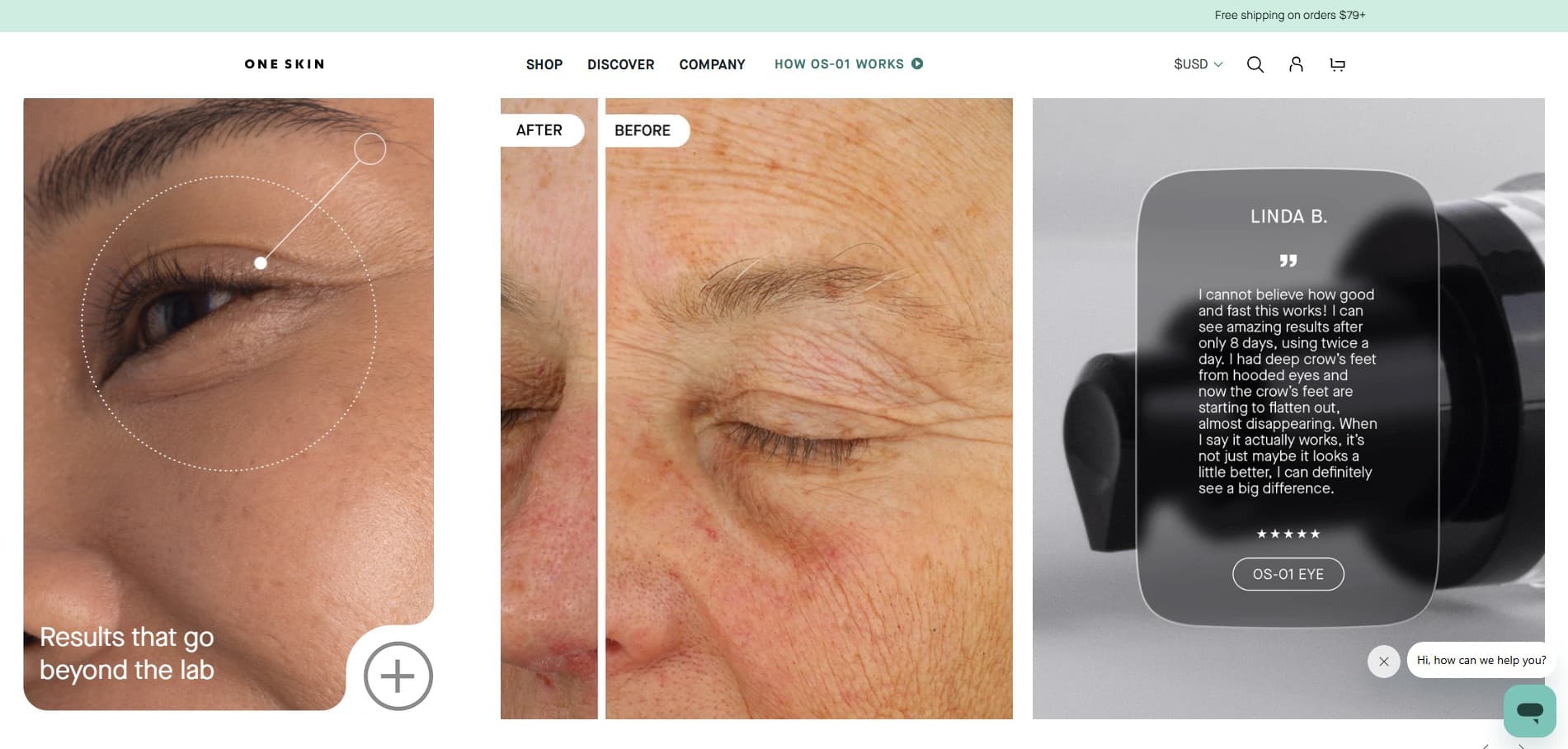
One Skin
↗Project Manager
Problem: Slow page performance was hurting mobile user experience and conversion potential.
Constraints: Performance gains were required without compromising content quality or release timelines.
Approach: I prioritized performance work in roadmap planning and coordinated lazy loading and code-splitting implementation.
Outcome: Lazy loading and code-splitting shipped without slipping the content calendar, and performance moved from a post-launch cleanup task into the release checklist.
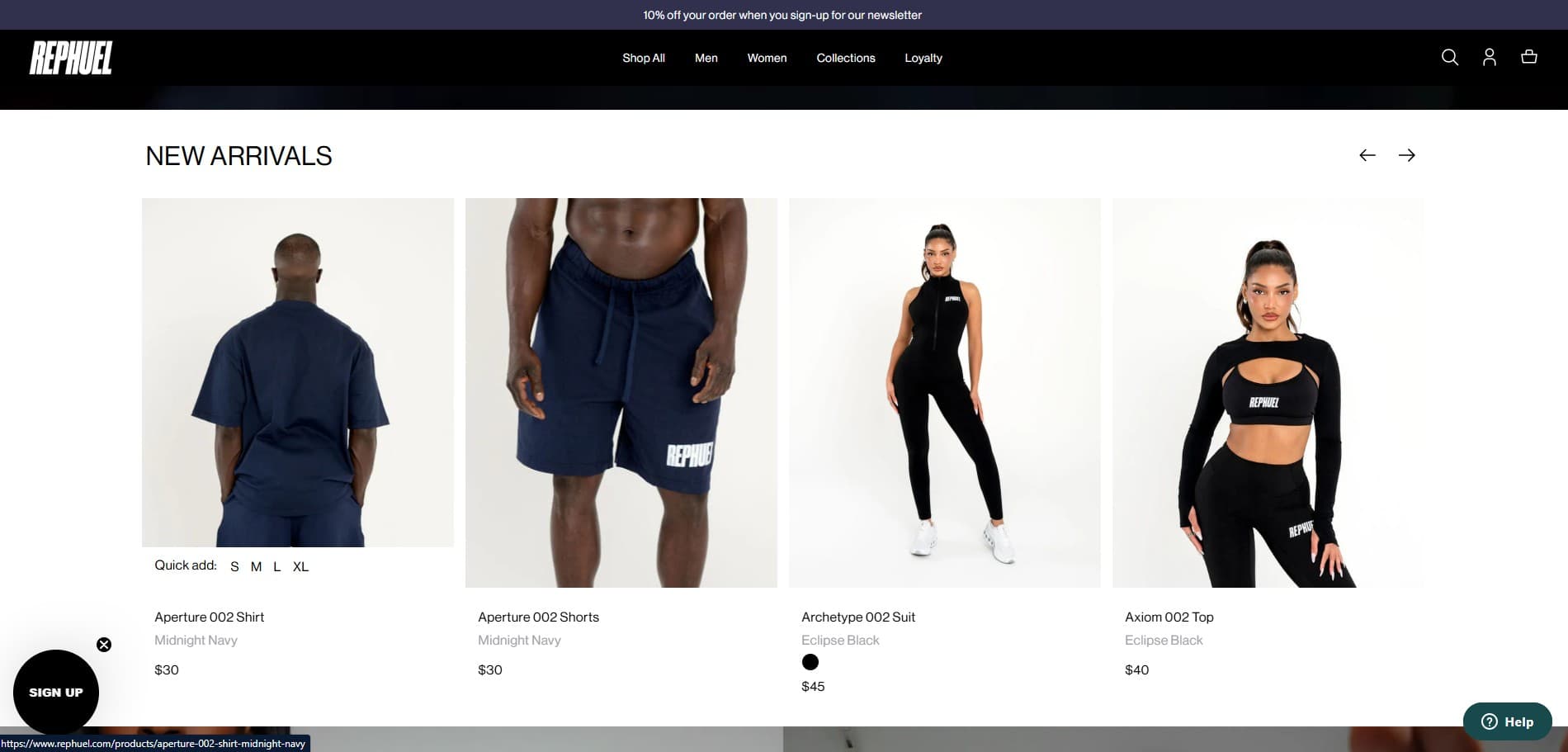
Rephuel
↗Project Manager
Problem: Organic discoverability was limiting sustainable growth for the e-commerce channel.
Constraints: SEO improvements needed to align with existing content, technical constraints, and release cycles.
Approach: I led SEO implementation planning across technical and content tasks with clear ownership and rollout sequencing.
Outcome: Technical and content SEO shipped in sequence rather than competing for the same release windows, leaving the organic channel with a maintained foundation instead of a one-off push.
Recommendations
Recommendations from clients and colleagues live on my LinkedIn profile rather than being reproduced here.
Read them on LinkedInWant the same on your next launch?
Best fit: teams with an active web initiative, several stakeholders, and a date that needs to hold.
Start a conversation